Helm Hammerhand — born TA 2691, ninth King of Rohan — was the last ruler of the First Line of Rohirric kings and the man who gave Helm's Deep its name. He was the mightiest warrior-king in Rohan's history: famously strong enough to kill a man with his bare fist, famous enough that his enemies believed him to be a wraith even in life, and stubborn enough to die standing on a bridge in a blizzard rather than surrender. The fortress that bore the brunt of Saruman's assault two centuries later was named for him — and the horn that Gimli blew at the Battle of the Hornburg was his.
When Théoden leads the Rohirrim to Helm's Deep in Peter Jackson's The Two Towers, Aragorn tells Gimli: "Helm's Deep has saved them before." He is referring to a story that the film never tells — the siege that happened two centuries earlier, in which a king named Helm Hammerhand held the fortress through a winter of famine, cold, and grief so absolute that even the Dunlendings who besieged him came to believe he was already dead.
Tolkien tells Helm's story in a few dense pages of Appendix A — one of the richest and most compressed pieces of history in the entire legendarium. The animated film The Lord of the Rings: The War of the Rohirrim (2024) brought it to the screen for the first time, voiced by Brian Cox. This is what those pages contain.
Who Was Helm Hammerhand?
Helm was born in TA 2691 into the House of Eorl — the royal line of Rohan that had ruled the kingdom since Eorl the Young received the land from Gondor in TA 2510. He succeeded his father Gram as King of Rohan in TA 2741, at a time when the pressure from the Dunlendings — the wild men of Dunland to the west and north — was already severe. His grandfather Déor had fought them, without success, and had watched them occupy the ancient ring of Isengard. Helm inherited a kingdom that had been defending itself against a creeping encroachment for two generations.
He was, by all accounts, enormous. Tolkien describes him as a man of exceptional physical strength even by the standards of the Rohirrim, who were already a tall and vigorous people. He was called Hammerhand because he was known to fight without weapons — his bare fists were considered more dangerous than most men's swords. A superstition grew among his own people that if he used no weapon, no weapon would bite upon him. It was probably not true. But it was the kind of story that attached itself to a man of his size and temperament.
The Death of Freca — The Blow That Started a War
In TA 2754, a powerful Dunlending lord named Freca came to a council of Rohan's king's men in Edoras. Freca was a complicated figure — he claimed descent from King Fréawine of Rohan but was said to have much Dunlending blood, and his loyalties had always been ambiguous. He came with a large retinue of armed men, which was itself a threat, and he came with a proposal: his son Wulf should marry Helm's daughter.
Helm refused. The meeting grew heated. Freca, emboldened by the armed men he had brought, pressed the case with increasing arrogance. Helm smote him with his fist. Freca died of the blow.
Tolkien says Helm declared Wulf and his kin enemies of the King, and that the men of Freca left Edoras in fury. The political consequences were immediate. Freca's son Wulf began building alliances across Dunland, seeking revenge and, beyond revenge, the throne of Rohan itself. Four years later, he came back with an army — and brought friends.
The Long Winter — The Siege of the Súthburg
In TA 2758, a combined force of Dunlendings under Wulf, Corsairs of Umbar from the south, and Easterlings from the east attacked Rohan simultaneously from multiple directions. It was a coordinated assault of a kind Rohan had not faced before. Helm was defeated in battle at the Fords of Isen — the crossing point of Rohan's most important defensive river — and both his sons, Haleth and Háma, were killed in the fighting.
He withdrew with the survivors of his force into the Súthburg — the fortress at the end of the long gorge in the White Mountains that would later bear his name. Wulf took Edoras. He declared himself King of Rohan and sat in Meduseld. Helm was surrounded.
The winter of TA 2758–59 — remembered in Middle-earth's history as the Long Winter — was one of the harshest in living memory. Snow fell so deep and lasted so long that food ran out in the besieged fortress. Men and horses starved. Helm's people were dying not from battle but from cold and hunger while an army of Dunlendings waited outside in the snow.
The Wraith-King — Helm Alone in the Night
What happened next is the part of Helm's story that made him a legend rather than just a defeated king who starved in a fortress.
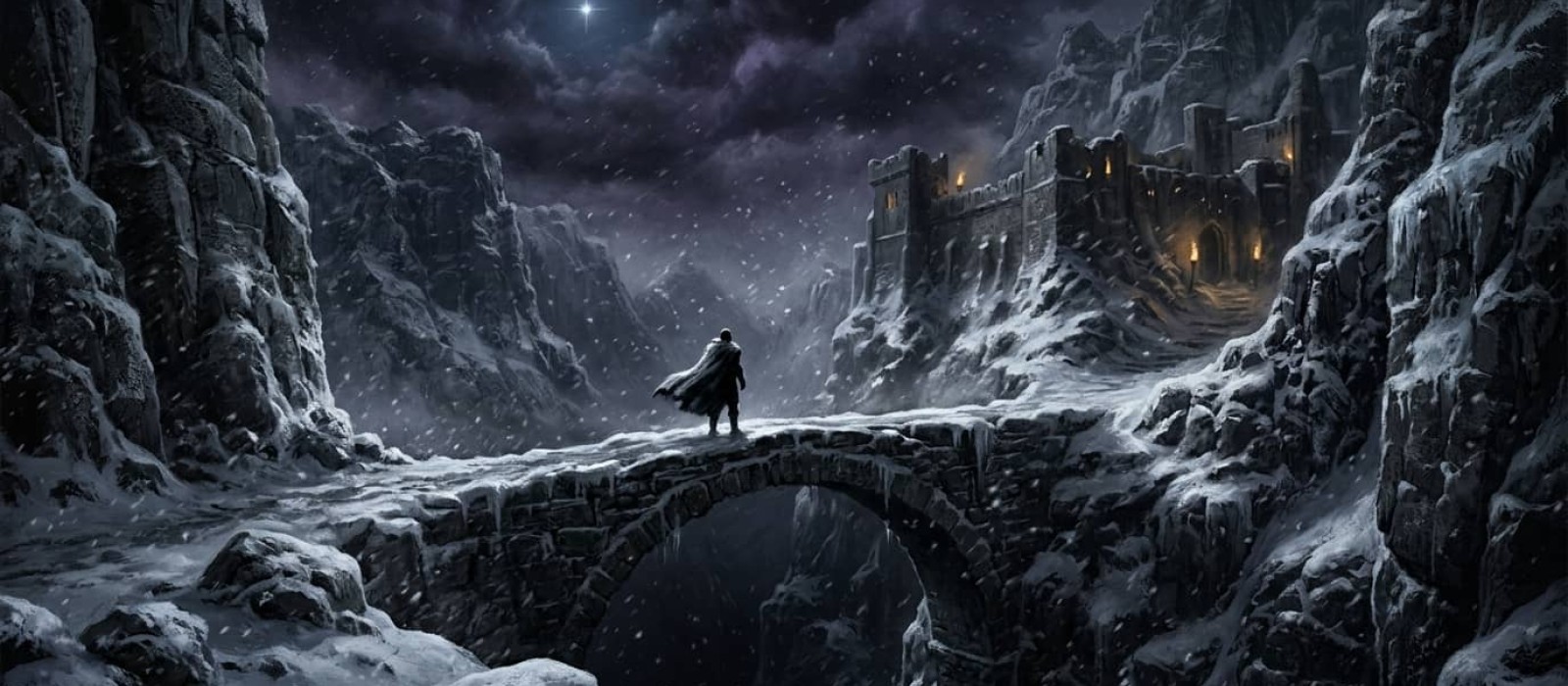
He began going out alone at night. He dressed in white — so he could not be seen against the snow — and he went out into the Dunlending camp with no weapon but his hands and killed men in the dark. He moved without a torch. He gave no war-cry. He made no sound at all, Tolkien says, except to blow a great horn that rang from cliff to cliff across the gorge as a warning before he went out — so his own men would know what was coming and not mistake him for an enemy in the dark.
The Dunlendings were terrified. They could not explain how a man without a weapon could appear among them in the blizzard, kill silently, and vanish. They began to believe he was already dead — that Helm Hammerhand had become a wight, a wraith, a demon that could not be harmed because he was no longer alive. They said he ate the flesh of men he killed with his bare hands. They refused to touch the bodies he left behind.
Tolkien is careful not to confirm or deny this. He records only what the Dunlendings believed, and what the Rohirrim believed. The truth was simply a starving, grief-maddened king in a white cloak, doing what he could to hurt the men who had killed his sons and taken his kingdom — at whatever cost to himself.
The Death — Found Standing in the Snow
One night Helm went out and did not return. In the morning, when the light came, the Rohirrim found him standing upright in the snow — frozen, dead, but still on his feet, his eyes open as if watching for enemies. He had died on his feet and the cold had taken him where he stood. He was sixty-eight years old.
The belief immediately grew — among both the Rohirrim and the besieging Dunlendings — that even in death his wraith still walked the Deep. That the horn that rang before his sorties would be heard still on cold nights. That any enemy who came within reach of the fortress would be at risk from something that had no need of food, warmth, or life.
His nephew Fréaláf Hildeson eventually broke the siege, driving out the Dunlendings and retaking Rohan. He used Helm's armour and sounded Helm's own war-horn at the charge — and the Dunlendings fled from it, convinced that the wraith of Helm Hammerhand had come back to finish them. The fortress was renamed Helm's Deep, and the gorge became Helm's Gate. The horn became a relic, kept in the Hornburg for two hundred years until Gimli blew it at the Battle of the Hornburg in TA 3019, and Théoden led the last charge of the Rohirrim into the dawn.
Connection to The War of the Rohirrim — 2024 Anime Film
The Lord of the Rings: The War of the Rohirrim (2024) is the first time Helm's story has been brought to the screen. Directed by Kenji Kamiyama and voiced in English by Brian Cox as Helm, the film expands on Tolkien's appendix account with a framing narrative centred on Helm's daughter — named Héra in the film — who is not named in Tolkien's text. The film takes creative liberties consistent with the lore: Helm's death at the end of the siege, his sons being killed, Wulf's occupation of Edoras, and the supernatural reputation Helm acquired during the Long Winter are all drawn directly from Tolkien's account in Appendix A.
The film connects directly to what millions of people already know from Peter Jackson's The Two Towers: the fortress, the horn, the name. The War of the Rohirrim is the story of how those things came to be.
The Official Helm's Ring — Made in New Zealand
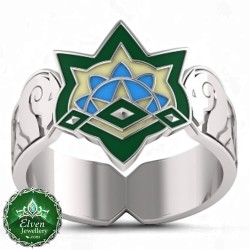
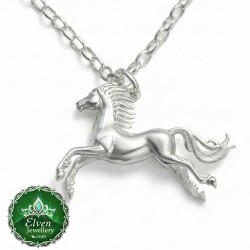
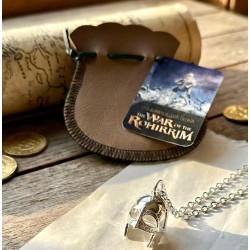
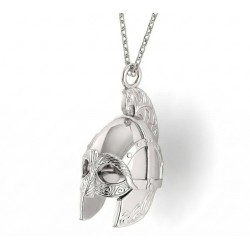
The official Helm's Ring draws from the imagery of the Rohirrim — the horse, the warrior, the plains of Rohan — in a sterling silver band that carries the legacy of Middle-earth's most unyielding king. Made in New Zealand by the New Line Productions licence holders.
Helm's Ring — Official Rohirrim Ring
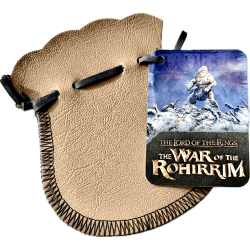
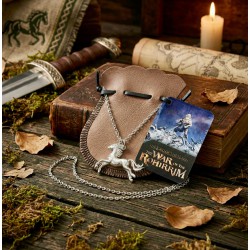
The official sterling silver Helm's Ring, inspired by the warrior king of Rohan. Solid 925 sterling silver, custom-made to your exact size. The ring of the people who named their greatest fortress after a man who died standing up in the snow. Made in New Zealand by the New Line Productions licence holders. Supplied with official Licence of Authenticity.
Shop Helm's Ring →Frequently Asked Questions About Helm Hammerhand
Who was Helm Hammerhand?
Helm Hammerhand was the ninth King of Rohan, ruling from TA 2741 until his death in TA 2759. He was the last king of Rohan's First Line — after him, rule passed to the Second Line through his nephew Fréaláf Hildeson. He is remembered as the greatest warrior-king in Rohan's history and as the man who gave Helm's Deep its name. He appeared in Tolkien's Appendix A of The Return of the King and was brought to screen for the first time in the 2024 animated film The Lord of the Rings: The War of the Rohirrim, where he was voiced by Brian Cox.
Why was he called Hammerhand?
Helm was called Hammerhand because of his extraordinary physical strength and his habit of fighting with his bare fists rather than weapons. He was known to be able to kill a man with a single blow — as he demonstrated when he struck Freca dead at the council of Edoras in TA 2754. A superstition grew among his people that if he used no weapon, no weapon would bite upon him. The name Hammerhand described both his literal fighting style and the reputation for invulnerability that surrounded him.
Why is Helm's Deep named after him?
During the Long Winter of TA 2758–59, Helm and the survivors of his army were besieged in the Súthburg — the fortress at the end of the gorge in the White Mountains. He conducted night raids against the besieging Dunlendings with his bare hands, moving silently in white clothing against the snow. His enemies became so frightened that they believed him to be a wraith. When he died standing upright in the snow at the end of the siege, his supernatural reputation was complete. His nephew Fréaláf retook Rohan in his name, renaming the fortress Helm's Deep and the gorge Helm's Gate in his honour.
What is the Horn of Helm Hammerhand?
Helm's war-horn was the signal he used before going out on his night raids — blown so his own people would know what was coming and not mistake him for an enemy. After his death it became a relic kept in the Hornburg, Rohan's most important fortress, for two centuries. In Peter Jackson's The Two Towers, at the climax of the Battle of Helm's Deep, Théoden commands: "The horn of Helm Hammerhand shall sound in the deep one last time!" — and Gimli blows it before Théoden leads the dawn charge of the Rohirrim. Its sound, echoing from the cliffs as it had in Helm's time, was enough to terrify the Dunlendings into believing his wraith had returned.
How did Helm Hammerhand die?
Helm died during the Long Winter of TA 2758–59 while conducting one of his solo night raids against the Dunlendings besieging the Súthburg. He went out into the snow and did not return. His body was found the next morning frozen upright in the snow — standing, dead, eyes open. He was sixty-eight years old. His manner of death — standing, facing the enemy, unyielding to the last — became the defining image of his legend. The Dunlendings and Rohirrim alike believed even in death he had not fallen.
How does The War of the Rohirrim connect to The Two Towers?
The 2024 animated film covers the events — from Tolkien's Appendix A — that explain why Helm's Deep is named what it is, why the horn is kept there, and what Aragorn means when he tells Gimli "Helm's Deep has saved them before." The fortress, the gorge, the horn, and the name that Théoden's people draw courage from during Saruman's assault in The Two Towers all originate with Helm Hammerhand's last stand two centuries earlier. The War of the Rohirrim is the origin story of everything you already saw in The Two Towers.
Sources & Further Reading
- The Lord of the Rings — Appendix A — 'The House of Eorl', 'The Kings of the Mark' — primary source for Helm Hammerhand's history, the Long Winter, and the naming of Helm's Deep
- The Lord of the Rings — The Two Towers — 'Helm's Deep' — Aragorn's reference to the fortress's history and the Horn of Helm Hammerhand
- The Lord of the Rings: The War of the Rohirrim (2024) — Directed by Kenji Kamiyama — first screen adaptation of Helm's story
- Tolkien Gateway — tolkiengateway.net
Related Products