Every Lord of the Rings and Hobbit film has been made in New Zealand — and the new movie, The Hunt for Gollum, is being filmed there too. Peter Jackson is a New Zealander, and he chose his home country because its untouched landscapes — snow-capped mountains, ancient forests, volcanic plains and rolling green farmland — could become Middle-earth without large-scale set construction. WETA Workshop and WETA Digital, both based in Wellington, built the props, creatures and effects. The result is so complete that New Zealand is now known, officially and affectionately, as the home of Middle-earth.
There is a reason the world keeps coming back to one small country at the bottom of the Pacific to film the most beloved fantasy story ever written. It is not a tax incentive, though those exist. It is not convenience — New Zealand is about as far from Hollywood as it is possible to get. It is the land itself.
With cameras rolling once again on The Hunt for Gollum, it is worth telling the whole story: why Peter Jackson filmed at home, why he never left, and why it matters that the official jewellery is made in the very same country where Middle-earth was filmed.
Peter Jackson Filmed at Home — Because Home Already Looked Like Middle-earth
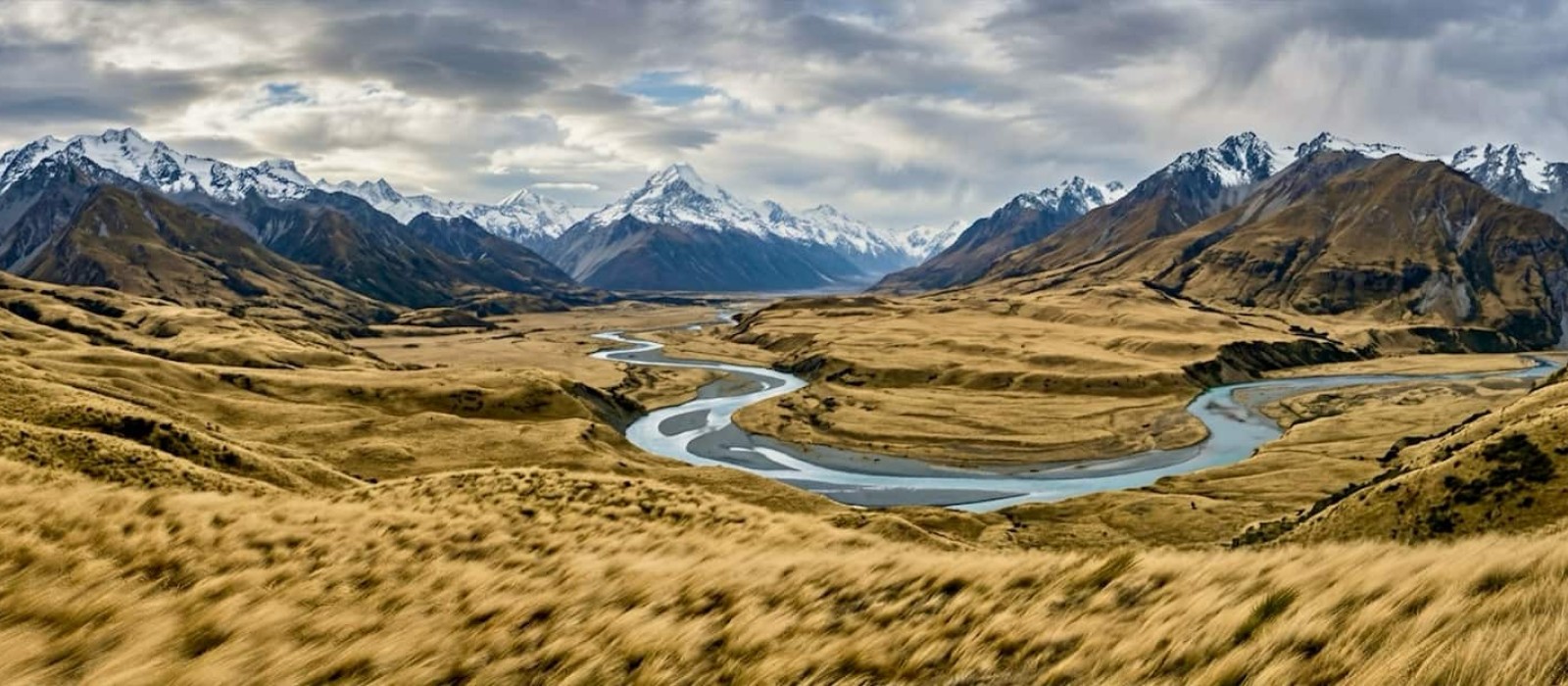
Peter Jackson was born in Pukerua Bay, a coastal town north of Wellington. When he set out to adapt Tolkien, he did not go looking for somewhere that could stand in for Middle-earth. He looked out his window. New Zealand's geography is extraordinarily varied for its size: in the space of a few hours' drive you can pass from subtropical forest to alpine snowfield to desert-like volcanic plateau to green pastoral hills.
That variety meant a single country could supply every region of Middle-earth. The Shire, Rohan, Gondor, Mordor, Mirkwood, the Misty Mountains — all of it was found within one nation's borders, often without building anything more than the foreground. Tolkien described a world; Jackson simply found where it already existed.
It Was Also a Practical Choice
Filming an entire trilogy back-to-back in one country kept the enormous production unified. Cast and crew lived in New Zealand for the better part of two years. The same local craftspeople, the same workshops, the same landscapes were available throughout. That continuity is part of why the original trilogy feels so seamless — it was made by one community, in one place, all at once.
The Landscapes That Became Middle-earth
Hobbiton — Matamata
The rolling green farmland of the Waikato region became the Shire. The Hobbiton set was rebuilt as a permanent attraction and is now one of New Zealand's most visited destinations — a working piece of Middle-earth you can walk through, hobbit-holes and all.
Mordor and Mount Doom — Tongariro
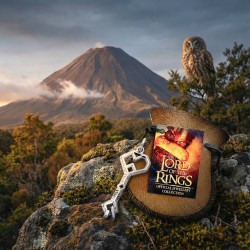
The volcanic heart of the North Island, in Tongariro National Park, gave Jackson the Plains of Gordor and the slopes of Mount Doom. Mount Ngauruhoe stood in for Mount Doom itself. The Desert Road that runs past it is a genuinely otherworldly stretch of volcanic plateau.
Edoras — Mount Sunday
In the South Island's Canterbury high country, a lonely hill called Mount Sunday became Edoras, the hill-fort capital of Rohan. The set was built and removed entirely; today the landscape stands as empty and wind-swept as it was before the cameras came — pure Middle-earth, no construction required.
Rivendell and the Forests — Wellington and Fiordland
The ancient native forests around Wellington and across the South Island provided the Elven realms and wild woods. New Zealand's bush — full of tree ferns, moss, and trees found nowhere else on Earth — gave the Elven kingdoms a quality of deep, untouched age that no built set could fake.
WETA — The Workshop That Built Middle-earth
Landscapes were only half of it. The other half came from Wellington, where WETA Workshop and WETA Digital built the physical and digital craft of Middle-earth. Every sword, every suit of armour, every prosthetic, every creature — and the groundbreaking digital performance of Gollum himself — came out of these studios.
WETA is the reason the films looked real. And crucially, WETA is returning for The Hunt for Gollum. As the new production has confirmed, the work is once again being done with the New Zealand filmmaking family who built the original films — the same workshops, the same continuity of craft, more than two decades on.
Why This Matters for the Jewellery
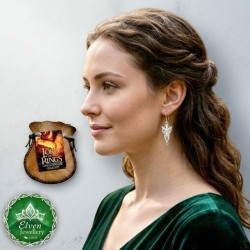
This is the part that is entirely ours to tell. The official Lord of the Rings and Hobbit jewellery at elvenjewellery.com is made in New Zealand by the New Line Productions licence holders — in the same country where every film was shot, where WETA built the props, and where The Hunt for Gollum is filming right now.
That is not a marketing slogan. It is a fact of geography and provenance. When you buy an official piece made in New Zealand, it comes from Middle-earth in the most literal sense available: the actual place the films call Middle-earth. Each piece arrives with a Licence of Authenticity card and a 5-year guarantee, made by the licence holders themselves — not an overseas copy of a New Zealand original, but the original.
One Ring — Sterling Silver
The Ring that began at the Gladden Fields and ended at Mount Doom — both landscapes you can stand in today in New Zealand. Solid 925 sterling silver, custom-made to size, made in New Zealand by the New Line Productions licence holders.
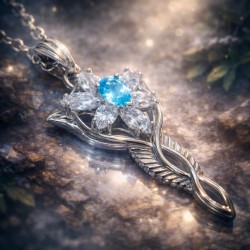
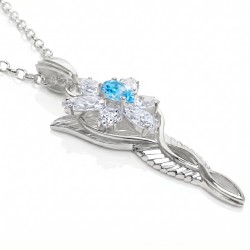
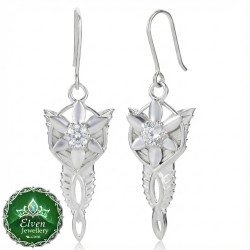
Evenstar Pendant
Arwen's pledge of love, in sterling silver. Crafted in the same country where Rivendell's forests were filmed. Made in New Zealand by the New Line Productions licence holders.
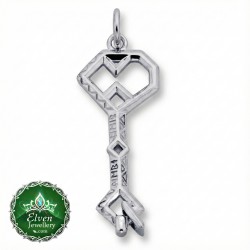
Key to Erebor
Thorin's key to the Lonely Mountain, in solid 925 sterling silver. From the studios that built the Hobbit films, made in New Zealand by the New Line Productions licence holders.
New Zealand and Middle-earth — Frequently Asked Questions
Why was Lord of the Rings filmed in New Zealand?
Director Peter Jackson is a New Zealander, and he chose his home country because its diverse, untouched landscapes could double for every region of Middle-earth without major set-building. Mountains, forests, volcanic plains and green farmland all exist within a few hours of one another, letting a single country become the whole of Tolkien's world.
Is The Hunt for Gollum being filmed in New Zealand?
Yes. The new film is being made in New Zealand with WETA, the same studios behind the original trilogy. Elijah Wood, returning as Frodo, confirmed the New Zealand shoot and described the production as a reunion of the original filmmaking team.
Where is Hobbiton in real life?
The Hobbiton movie set is on a working farm near Matamata in the Waikato region of New Zealand's North Island. It was rebuilt as a permanent set after filming and is now one of the country's most popular visitor attractions.
What mountain was used for Mount Doom?
Mount Ngauruhoe in Tongariro National Park stood in for Mount Doom in the films. The surrounding volcanic plateau, including the Desert Road, provided the barren plains of Mordor.
What is WETA?
WETA Workshop and WETA Digital are Wellington-based studios that created the props, costumes, creatures and visual effects for the Lord of the Rings and Hobbit films — including the digital performance of Gollum. They are returning to work on The Hunt for Gollum.
Is the official Lord of the Rings jewellery made in New Zealand?
Yes. The official jewellery sold at elvenjewellery.com is made in New Zealand by the New Line Productions licence holders — the same country where every Middle-earth film has been shot. Each piece includes a Licence of Authenticity card and a 5-year guarantee.
Can you visit the Lord of the Rings filming locations?
Many of them, yes. Hobbiton near Matamata is a permanent attraction; Tongariro National Park (Mordor and Mount Doom) is open to hikers; and the Mount Sunday site (Edoras) in Canterbury can be reached on a high-country drive. Much of the scenery is unchanged from how it appeared on screen.
Sources and Further Reading
- Scripps News / AOL — Andy Serkis on working with WETA and the New Zealand filmmaking family (2024)
- GamesRadar+ — Elijah Wood confirms The Hunt for Gollum will shoot in New Zealand (2025)
- Tourism New Zealand — official Middle-earth filming location guides
- WETA Workshop — production history of the Lord of the Rings and Hobbit films
- J.R.R. Tolkien — The Lord of the Rings (the geography of Middle-earth as adapted on screen)
Related Products