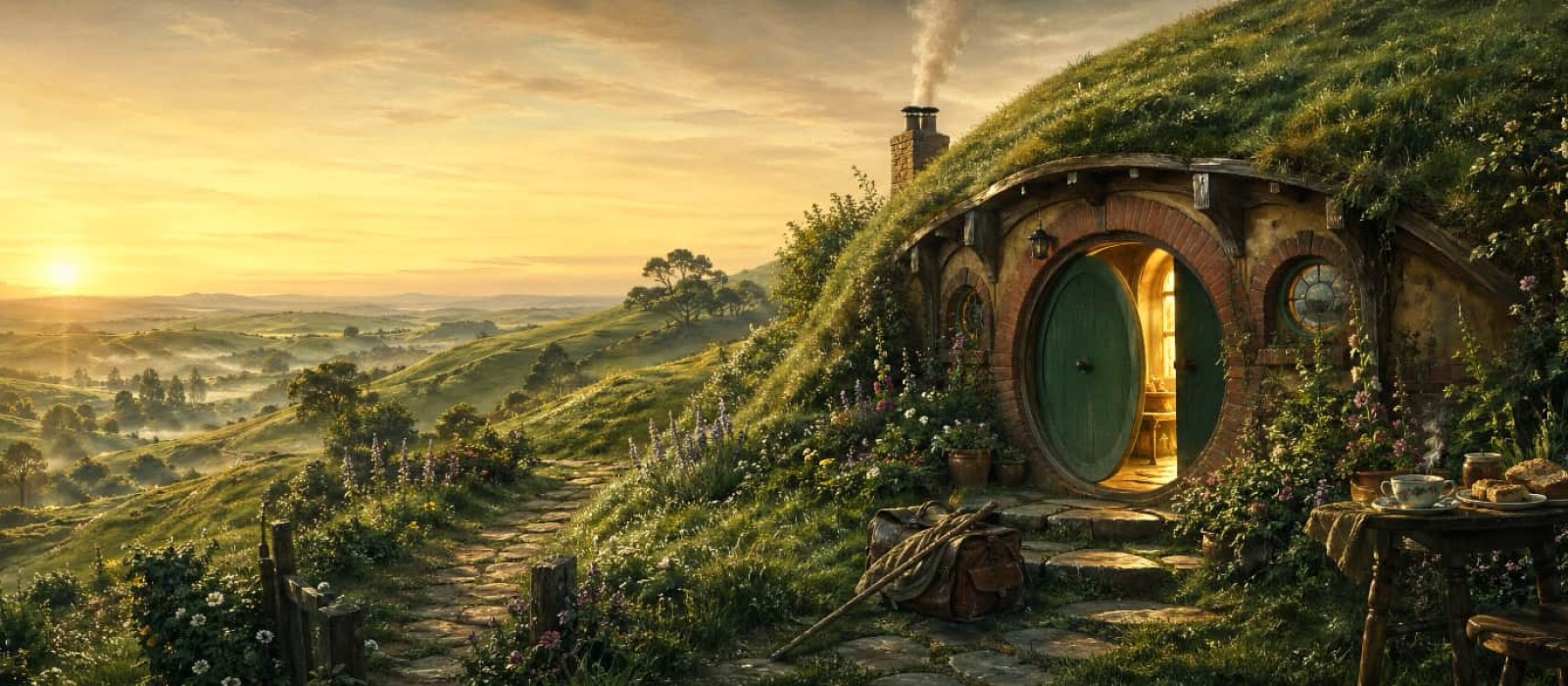
Bilbo Baggins Leaves Bag End
On April 28 in the year 2941 of the Third Age, a hobbit named Bilbo Baggins ran down the Hill in Hobbiton, breathless, hatless, and without a pocket handkerchief and caught up with a company of thirteen Dwarves and a wizard who had already given up waiting for him. He had not packed. He had not locked his door properly. He had left his second breakfast half-eaten. He did not come back for over a year. He came back different.
Tolkien was precise about dates. The departure from Bag End was April 27 in his earliest draft, adjusted to the 28th in later revisions and confirmed in the chronology of The Hobbit. He cared about this the way a historian cares — because in his imagination, these events had actually happened, and the exact dates of their happening mattered.
It began the evening before. Gandalf had arrived at Bag End unannounced and uninvited, scratched a mark on the front door, and somehow arranged for thirteen Dwarves, Thorin Oakenshield and his company, to arrive one after another through the following afternoon, eat most of Bilbo's food, drink his best ale, and spread his maps across his kitchen table. By the time Thorin finished singing about the Lonely Mountain and the fire that would burn the world, something in Bilbo's blood, the Took blood, the half of him that was always restless under the comfort and the routine, had woken up.
He went to bed telling himself he absolutely would not go.
In the morning he ran after them.
What He Left Behind
What makes the departure from Bag End so precisely calibrated, and why Tolkien lingered over the domestic details of the Shire before allowing the adventure to begin, is everything Bilbo left behind. He left behind a household of extraordinary comfort: the pantries stocked for a month, the armchair by the fire, the garden in April bloom, the calendar of engagements, the invitation to the Sackville-Bagginses for tea on Wednesday. He left behind a reputation — "the most respectable Baggins," the neighbours said, the one who would never do anything unexpected.
He left behind, without knowing it, the person he had been for fifty years. He did not know that yet. He thought he was going on an adventure and coming back. He did not know that the person who came back would be measurably different from the person who left, that he would have killed a spider and named a sword, faced a dragon with nothing but his wits, stolen a jewel from a king, and found something in the dark under a mountain that would shape the history of the world for the next eighty years.
He also left without his pocket-handkerchief. Tolkien notes this specifically. Bilbo had time to grab his pipe and his tobacco and his walking stick, but no handkerchief. It is the most hobbit detail in the entire book: the thing he regrets most in the immediate aftermath of the most important decision of his life is not the comfort he has left behind or the danger ahead, but the absence of a clean cloth square in his breast pocket. He is right to regret it. He is also completely, characteristically, perfectly himself.
Why This Day Matters
Everything in Tolkien's legendarium connects forward from this morning. Bilbo's departure led to the Quest of Erebor, which led to Smaug's death, which secured the North against Sauron's potential use of the dragon. It led to the Battle of Five Armies, which united the peoples of the North in a way that would matter when the real war came. And in the tunnels under the Misty Mountains, midway through the journey, while everyone else was in Goblin hands, it led to Bilbo finding something in the dark on the cave floor and putting it in his pocket without quite knowing why.
That object sat in Bag End for sixty years. On April 12, TA 3018, seventy-seven years and a few weeks after Bilbo left Bag End for the first time, Gandalf returned, took it from Frodo's mantelpiece, held it in the fire, and read what was written on it. Everything that followed, the Fellowship, the War of the Ring, the destruction of Sauron, the beginning of the Age of Men, followed from that reading. And that reading was only possible because a hobbit had run down a hill on a spring morning in 2941 without a pocket-handkerchief.
Tolkien believed in the power of small things and ordinary people. He believed that the fate of the world turned not on the schemes of great lords but on the everyday acts of courage performed by people who did not think of themselves as courageous. Bilbo Baggins leaving Bag End on April 28 is the purest expression of that belief in the entire legendarium: a middle-aged hobbit who liked his armchair and his pantry and his comfortable routine, choosing the Took half of himself over the Baggins half, for no clear reason, on a Tuesday morning in spring.
The world changed because of it. Middle-earth changed because of it. And he did it without a pocket-handkerchief.
The Official Hobbit Collection — Made in New Zealand
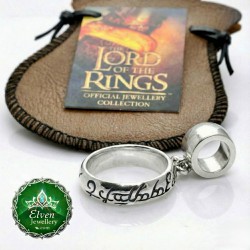
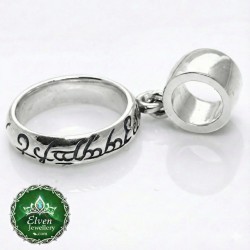
The ring Bilbo found on that journey, the object in the dark that changed everything, is the central piece of the official collection at lotrjewelry.com. Made in New Zealand by the New Line Productions licence holders. In the same country where every scene of Bilbo's adventure was filmed. Custom-made to your exact size.
One Ring — Sterling Silver
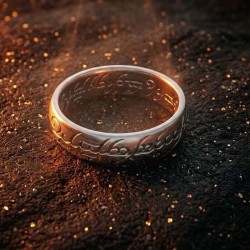
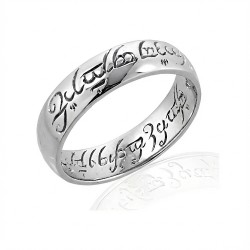
The ring Bilbo found on April 28, 2941. The ring he carried home to Bag End and kept in his pocket for sixty years. The ring that changed the world. Solid 925 sterling silver, precision engraved, Comfort Curve. Made in New Zealand.
Shop One Ring →My Precious Ring
"My Precious" is engraved outside. Official Hobbit logo inside. The ring Gollum called his own, found by Bilbo in the tunnels under the Misty Mountains on the same journey that began on April 28. Solid 925 sterling silver. Made in New Zealand.
Shop My Precious →Sting — The Blade of Gondolin
The short Elvish blade Bilbo found in the trolls' cave on the same journey — the dagger he named Sting and carried through Mirkwood, and later gave to Frodo. 60mm, solid 925 sterling silver. Made in New Zealand.
Shop Sting →The Middle-earth Calendar — Key Dates
Tolkien was meticulous about dates. The history of Middle-earth has a precise calendar, and its most significant moments fall on specific days that recur every year. Here are the dates worth marking:
- April 28 — Bilbo Baggins leaves Bag End (TA 2941). The Quest of Erebor begins.
- September 22 — Bilbo and Frodo Baggins's shared birthday. Bilbo's 111th party (TA 3001). Frodo departs the Shire (TA 3018).
- October 6 — The Fellowship camp on Weathertop. Frodo is stabbed by the Witch-king (TA 3018).
- January 13 — The Fellowship enters Moria (TA 3019).
- January 15 — Gandalf falls with the Balrog on the Bridge of Khazad-dûm (TA 3019).
- February 26 — The Fellowship breaks at Amon Hen. Boromir falls. Frodo and Sam cross the Anduin alone (TA 3019).
- March 25 — The One Ring is destroyed. Sauron falls. The Third Age ends (TA 3019). Tolkien Reading Day.
- May 1 — Aragorn is crowned King Elessar (TA 3019).
- September 29 — The last ship sails from the Grey Havens. Frodo, Gandalf, Galadriel, and Elrond depart Middle-earth (TA 3021).
- December 17 — The Battle of Five Armies (TA 2941). Also: The Hunt for Gollum film release date (2027).
Sources & Further Reading
- The Hobbit, or There and Back Again — J.R.R. Tolkien (1937): 'An Unexpected Party' and 'Roast Mutton' — the departure from Bag End and the first days of the Quest of Erebor
- The Lord of the Rings — Appendix B: 'The Tale of Years' — the chronology of the Third Age including the key dates of the Quest of Erebor and the War of the Ring
- The Peoples of Middle-earth, ed. Christopher Tolkien: 'The Calendars' — Tolkien's detailed notes on the Shire calendar and the correlation of Middle-earth dates
- Tolkien Gateway — tolkiengateway.net
Related Products